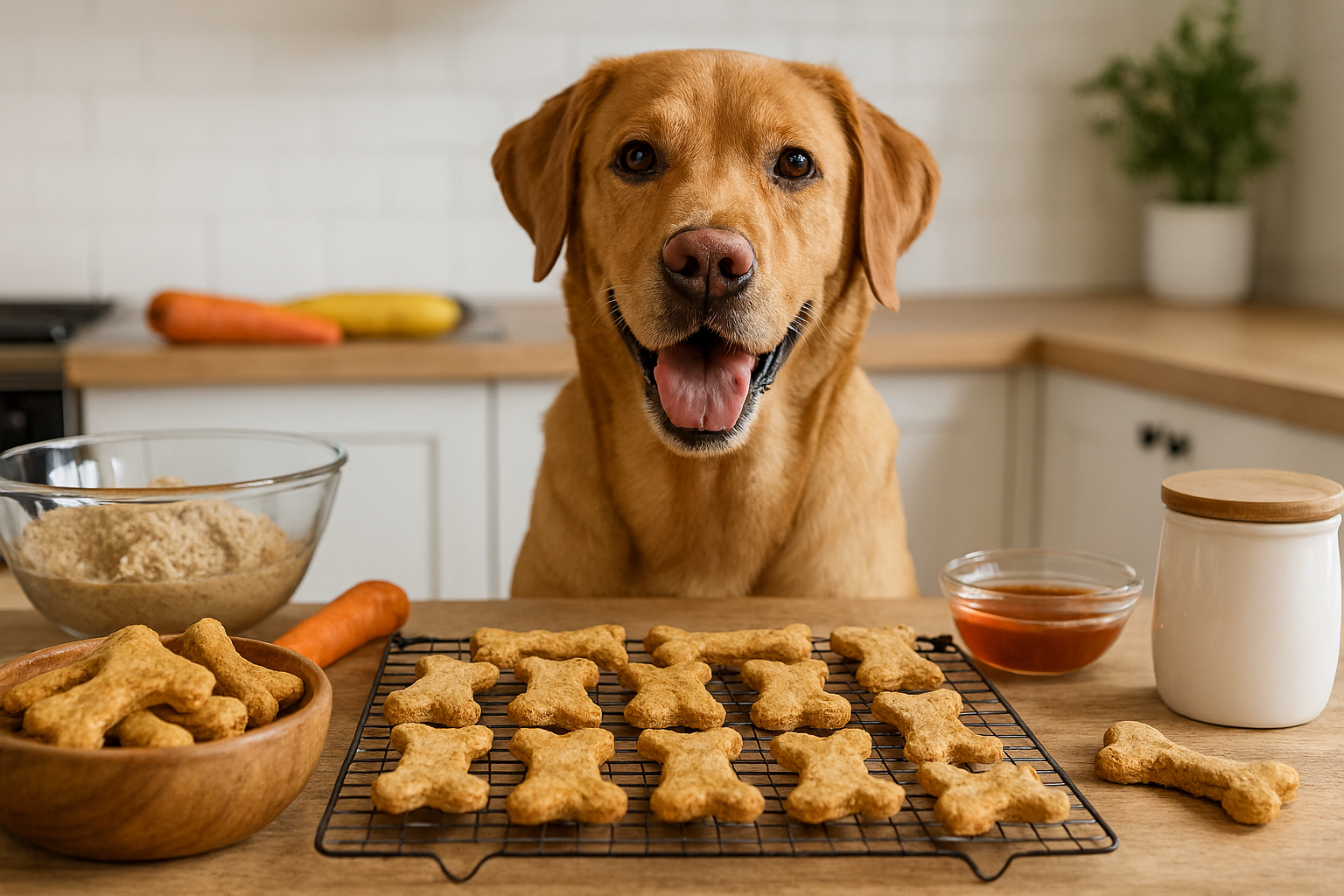
How To Make Healthy Dog Treats: The Ultimate Guide For Beginners
Learning how to make healthy dog treats at home is one of the simplest yet most impactful ways to improve your pup’s quality of life. As dog owners, we all want to spoil our furry best friends, but traversing the treat aisle at the grocery store can often feel like a guessing game. While the packaging may look appealing, the ingredient lists are frequently packed with preservatives, artificial colors, and fillers that offer little nutritional value.
In fact, the issue goes beyond just empty calories. The FDA has historically had to open comprehensive investigations regarding illnesses linked to jerky pet treats, leaving many pet parents anxious about the safety of the snacks they buy.
By making healthy dog treats in your own kitchen, you eliminate the mystery. You gain total control over portion sizes—a crucial factor given that the Association for Pet Obesity Prevention reports that over half of the dogs in the United States are classified as overweight or obese. Homemade treats allow you to strip away the junk and focus on wholesome, functional ingredients that support your dog’s longevity.
You don’t need to be a professional baker or have hours of free time to get started. In this ultimate guide, we will walk you through the safe pantry staples you likely already own, the toxic ingredients you must strictly avoid, and three simple recipes that will get tails wagging immediately.
Why Make Your Own Healthy Dog Treats?
While the convenience of grabbing a bag off the shelf is undeniable, the benefits of making healthy dog treats at home far outweigh the extra effort. When you take over the role of “head chef” for your dog, you aren’t just making cookies; you are making proactive decisions about their health and your wallet.
Total Ingredient Control
The most significant advantage of DIY treats is transparency. Many commercial dog treats contain ambiguous terms like “meat by-products” or generic “animal fat,” which can be problematic for dogs with sensitive stomachs. If your dog suffers from itchy skin or digestive issues, they may have a food intolerance. According to VCA Animal Hospitals, the most effective way to manage food allergies in dogs is an elimination diet or a strict limited-ingredient diet. Baking at home allows you to use single-source proteins and grain-free flours, ensuring your pup avoids specific triggers entirely.
Significant Cost Savings
Premium, health-conscious dog treats come with a premium price tag. A small 6-ounce bag of “organic” or “limited ingredient” treats can easily cost upwards of $10 to $15. Conversely, the ingredients needed for homemade treats—such as rolled oats, eggs, and sweet potatoes—are pantry staples that cost pennies per serving. By buying ingredients in bulk, you can produce weeks’ worth of high-quality rewards for a fraction of the cost of store-bought alternatives.
Nutritional Value Boost
Homemade treats are an excellent vehicle for “stealth health.” You can easily incorporate functional superfoods that might be difficult to get your dog to eat otherwise. Ingredients like blueberries (rich in antioxidants), pumpkin (great for digestion), and carrots (good for dental health) can be baked right in. The American Kennel Club (AKC) provides an excellent resource on fruits and vegetables dogs can and can’t eat, which is a great starting point for choosing nutrient-dense additives for your recipes.
Safety First (The “Do Not Eat” List)
Before we start mixing dough to create our healthy dog treats, we need to establish some ground rules. While many “human foods” are perfectly safe and nutritious for dogs, others can be dangerous or even fatal. When you are learning how to make healthy dog treats, your first step is always checking your ingredient labels to ensure none of the following toxic items are present.
> Important Note: If you suspect your dog has ingested any of these items, contact your veterinarian or the ASPCA Animal Poison Control Center immediately.
Xylitol (Birch Sugar)
This is the number one ingredient to watch out for, especially when using peanut butter. Xylitol is a sugar substitute often found in “sugar-free” peanut butters, chewing gum, and breath mints. While safe for humans, it is extremely toxic to dogs, causing a rapid release of insulin that can lead to hypoglycemia and liver failure. The FDA has issued a strong warning to pet owners to check the label for Xylitol every single time before sharing food with their pets.
Chocolate and Caffeine
Most dog owners know chocolate is a no-go, but it is important to understand why. Chocolate contains methylxanthines (specifically theobromine and caffeine), which dogs cannot metabolize effectively. The darker the chocolate, the more dangerous it is. Baking chocolate and cocoa powder are the most concentrated and hazardous forms.
Grapes and Raisins
It is a mystery to scientists exactly what substance in grapes and raisins causes the reaction, but it is well-documented that they can cause sudden kidney failure in dogs. Even a small amount can make a dog ill, so these should never be used as a sweetener or texture additive in your treats.
Onions, Garlic, and Chives
These ingredients, whether powdered, raw, cooked, or dehydrated, can damage a dog’s red blood cells and cause anemia. While some older recipes might suggest a pinch of garlic for flea prevention, modern veterinary consensus advises against it due to the risk of toxicity.
Macadamia Nuts
These are considered one of the most poisonous foods for dogs. Ingestion can cause weakness, overheating, and tremors. If you are making nutty treats, stick to dog-safe peanuts or cashews (in moderation).
For a complete list of foods you should keep out of your mixing bowl, the ASPCA maintains an extensive database of people foods to avoid feeding your pets.
The Beginner’s Pantry (Safe Staples)
One of the best things about learning how to make healthy dog treats is that you likely already have the ingredients in your kitchen. You don’t need exotic gums or expensive preservatives. Most dog treat recipes follow a simple formula: Flour + Binder + Flavor.
Here are the safe, nutritious staples you should keep on hand.
Base Flours
The flour acts as the structure of your healthy dog treats. While all-purpose white flour is safe, it lacks nutritional density. Consider these healthier alternatives:
-
Whole Wheat Flour: The standard for most dog biscuits. It provides more fiber and nutrients than white flour.
-
Oat Flour: A fantastic option for dogs who are sensitive to wheat. You don’t even need to buy this—simply pulse “old-fashioned” rolled oats in a food processor until they turn into a fine powder. Oats are rich in linoleic acid, which helps keep skin strong and healthy.
-
Coconut Flour: Perfect for grain-free recipes. Note that coconut flour is highly absorbent, so you will need to use less of it or add more liquid compared to wheat flour.
Wet Ingredients (The Binders)
These ingredients hold the dough together while adding moisture and vital nutrients.
-
Pure Pumpkin Puree: A superfood for dogs packed with fiber and beta-carotene. It is widely used to help regulate digestion, soothing both diarrhea and constipation. Crucial: Ensure you buy 100% pure pumpkin, not “Pumpkin Pie Filling,” which is loaded with sugars and spices. The AKC offers a detailed explanation of how pumpkin helps with dog diarrhea and digestion.
-
Peanut Butter: The gold standard of dog flavors. It is an excellent source of protein and healthy fats. Look for natural peanut butter where the only ingredients are “Peanuts” (and maybe salt).
-
Unsweetened Applesauce: A low-fat binder that works well as a replacement for oil or butter in many recipes. Always choose unsweetened varieties to avoid unnecessary sugar spikes.
Superfood Add-Ins
Once you have your base and binder, you can mix in these nutrient-dense extras:
-
Blueberries: Fresh or frozen, these are antioxidant powerhouses.
-
Eggs: A cooked egg provides high-quality protein and amino acids.
-
Carrots: Grated carrots add texture and vitamins.
-
Plain Greek Yogurt: A great source of calcium and probiotics, perfect for frozen treats.
Essential Tools
The beauty of homemade healthy dog treats is that they require very little specialized equipment. You likely already have the basics in your cupboards. However, a few specific tools can make the process faster, cleaner, and more fun.
The Basics
-
Mixing Bowl: You will want a large, sturdy bowl. Dog treat dough (especially when made with whole wheat) can be stiff and dense, so you need plenty of room to work the ingredients together. Need some mixing bowls? Check them out here.
-
Baking Sheet & Parchment Paper: This is non-negotiable for easy cleanup. Using parchment paper prevents the treats from sticking to the pan without adding extra oil or butter, keeping the calorie count down. Grab your parchment paper here.
-
Rolling Pin: Essential for rolling out biscuit dough to a uniform thickness so they bake evenly. Get a rolling pin here if you don’t have.
Fun Extras & Enrichment
-
Cookie Cutters: While your dog won’t care what the treat looks like, using cute bone or paw-shaped cutters makes the process more enjoyable for you. Pro-tip: Use smaller cutters to create “training treats”—small rewards are better for learning than large biscuits.
-
Silicone Molds: These are fantastic for frozen treats (“pupsicles”) or gelatin-based gummies. They pop out easily and come in hundreds of fun shapes. Get some here.
-
Puzzle Toys: Once your treats are made, don’t just hand them over freely! You can break up your homemade biscuits and hide them inside puzzle toys. The ASPCA highlights that using food puzzles for enrichment is a powerful way to reduce boredom and stress in dogs by encouraging them to “hunt” for their snacks.
3 Foolproof Beginner Healthy Dog Treats Recipes
Ready to get baking? We have selected these three recipes because they cover all the bases: a classic crunchy biscuit, a cooling summer treat, and a single-ingredient chewy snack. They are impossible to mess up and are taste-tested favorites.
The “Classic” Peanut Butter & Pumpkin Biscuits
Best for: Everyday rewards and training.
This is the ultimate starter recipe. The dough is forgiving, and the combination of peanut butter and pumpkin is irresistible to almost every dog.
Ingredients:
-
2 ½ cups Whole Wheat Flour (or oat flour)
-
2 large Eggs
-
½ cup Canned Pumpkin (pure pumpkin, not pie filling)
-
2 tbsp Peanut Butter (Xylitol-free)
Instructions:
-
Preheat your oven to 350°F (175°C).
-
Mix the flour, eggs, pumpkin, and peanut butter in a large bowl. Add water a teaspoon at a time if the dough is too dry, or a little flour if it’s too sticky.
-
Roll the dough out on a floured surface until it is about ¼ inch thick.
-
Cut into shapes using a cookie cutter or simply slice into squares with a knife.
-
Bake for 30–35 minutes until hard. Let them cool completely before serving; they will harden further as they cool.
No-Bake “Pupsicles” (Frozen Treats)
Best for: Hot days and soothing puppy teething.
No oven required! These are packed with probiotics from the yogurt and antioxidants from the fruit.
Ingredients:
-
1 cup Plain Greek Yogurt (low-fat or non-fat)
-
½ cup Fresh or Frozen Blueberries (or strawberries)
-
1 tsp Honey (optional)
Instructions:
-
Blend or mash the berries slightly if you want them distributed evenly, or leave them whole for a chunky texture.
-
Stir the berries and honey into the yogurt.
-
Pour the mixture into silicone molds or a standard ice cube tray.
-
Freeze for at least 3–4 hours until solid. Pop one out for a refreshing snack!
Two-Ingredient Sweet Potato Chews
Best for: A healthy, natural alternative to rawhide.
Sweet potatoes are high in dietary fiber and great for digestive health. When baked low and slow, they become chewy and tough, satisfying your dog’s urge to gnaw.
Ingredients:
-
2 large Sweet Potatoes
-
1 tbsp Coconut Oil (optional, for extra shine)
Instructions:
-
Preheat your oven to 250°F (120°C).
-
Wash and dry the sweet potatoes (you can leave the skin on).
-
Slice them lengthwise into strips about ⅓ inch thick.
-
Toss lightly in coconut oil if desired.
-
Bake for 2.5 to 3 hours, flipping them halfway through. The longer you bake, the crunchier they get. For a chewier texture, take them out a bit earlier.
Storage and Shelf Life
Because homemade healthy dog treats lack the heavy-duty preservatives found in commercial brands, they won’t last forever. The shelf life depends entirely on how much moisture is left in the treat.
The “Crunch” Test
The general rule of thumb is: The harder the treat, the longer it lasts. If a treat is soft or cake-like (like the pumpkin biscuits), it still contains moisture, which is a breeding ground for mold. If you bake it until it is rock-hard and snaps when you break it, it will be shelf-stable for much longer.
Storage Guidelines
-
Countertop (Cool & Dry): Only for thoroughly dried, crunchy biscuits. Store them in an airtight container for 3–5 days.
-
Refrigerator: The safest bet for most baked treats. They will stay fresh for up to 2 weeks.
-
Freezer: The best option for bulk baking. Most doughs and finished treats can be frozen for up to 3 months.
According to the FDA, proper storage is vital to prevent spoilage and maintain nutritional value. They recommend keeping treats in a secure location (to prevent your dog from counter-surfing and eating the whole supply!) and ensuring all storage containers are washed and dried frequently. You can read their full guidelines on Proper Storage of Pet Food & Treats.
Tip: Always inspect homemade treats for mold before feeding them to your dog. If in doubt, throw it out.
Conclusion
Making healthy dog treats at home is more than just a culinary project; it is an act of love. It gives you the peace of mind that comes with knowing exactly what is fueling your best friend’s body. Whether you are freezing simple yogurt cups or rolling out pumpkin dough, the effort you put in translates directly to your dog’s health and happiness.
Don’t worry about making them look perfect—your dog doesn’t care if a biscuit is crooked! They only care that it tastes good and comes from you.
Ready to get started? Pick one recipe from this list to try this weekend. Your dog is already waiting by the oven.
Now that your pets satisfied with the healthy dog treats , check out our article how to make healthy snacks at home for humans!
Frequently Asked Questions (FAQ)
Q. How many homemade treats can I give my dog per day?
A. Even though these treats are healthy, calories still count! Veterinarians universally recommend the "10% Rule." This means treats should make up no more than 10% of your dog's total daily calorie intake, while their balanced dog food makes up the other 90%. Sticking to this treat allowance prevents nutritional imbalances and obesity. If you make larger biscuits, consider breaking them into smaller pieces.
Q. Can I use regular white flour instead of whole wheat?
A. Yes, you can use All-Purpose white flour, and it is safe for dogs. However, we recommend whole wheat flour (or oat flour) because white flour is highly processed and offers very little nutritional value. If you are going to the effort of baking at home, using whole grains provides better fiber and vitamins for your pup.
Q. My dog is allergic to grains. What flour can I use?
A. Coconut flour and chickpea (garbanzo bean) flour are excellent grain-free alternatives. Be careful with substitutions, though—coconut flour is extremely absorbent. If a recipe calls for 1 cup of wheat flour, you might only need ¼ to ⅓ cup of coconut flour, and you will likely need to increase the eggs or water.
Q. Can I add baking powder or baking soda to make them fluffy?
A. It is best to avoid them. While small amounts are generally not toxic, baking powder and baking soda have high sodium content and can cause gastric upset in some dogs. Since your dog doesn't care if a treat is flat or fluffy, we recommend skipping leavening agents to keep the recipe as "clean" and gentle on the stomach as possible.
Q. Can I eat these treats?
A. Absolutely! Since you are using human-grade ingredients like pumpkin, oats, and peanut butter, they are perfectly safe for humans. However, because they lack sugar and salt, you will likely find them very bland and hard compared to a human cookie.
Q. Are these recipes safe for puppies?
A. generally, yes, but with two caveats. First, puppies have very sensitive digestive systems, so introduce new ingredients slowly to ensure they don't get an upset stomach. Second, ensure the treats are small enough (or soft enough) to not pose a choking hazard. For very young puppies, the "Pupsicles" (frozen yogurt) are often great for soothing teething gums.